
Since 2021, we have supported the recovery of old and unique vineyards at risk of disappearing. Each century-old vine we save is a story that remains alive: the story of those who work the land with respect, the story of a landscape that endures, and the story of a wine that preserves its memory.
Through Ángel de Viñas, we work to protect biodiversity, native varieties and the cultural value of these unique places, collaborating with growers, researchers and local communities. The project is born from a clear conviction: sustainability begins at the roots — in the care of the soil, the people, and the history that connects them.
Our commitment is to promote a mindful viticulture that blends tradition and innovation, honours the past, safeguards the future, and reminds us that caring for the land is also caring for our story.


Ángel de Viñas is an initiative launched in 2021 by González Byass together with the González Byass Foundation, with advice from the Spanish Federation of Oenology. It aims to support the conservation and restoration of old and distinctive vineyards at risk of disappearing in different regions of Spain.
These vineyards, some more than a century old, form part of their regions' natural, agricultural and cultural heritage, and are closely connected to local landscapes, native grape varieties and viticultural traditions.
PROJECT OBJETIVES:
- Support the conservation and restoration of old vineyards.
- Contribute to the conservation of associated biodiversity.
- Encourage the maintenance of traditional vines and vineyard-related ecosystems.
- Support the continued cultivation of old vineyards.
- Promote awareness and understanding of viticultural heritage.
Spain has a rich diversity of vineyards, including old vines and native grape varieties linked to the history, culture and characteristics of each region.
Some of these vineyards are at risk of abandonment due to factors such as the economic challenges of maintaining them, the effects of climate change and the lack of generational succession.
Ángel de Viñas was created to support initiatives aimed at conserving viticultural heritage, maintaining traditional grape varieties and helping to sustain the agricultural practices associated with these vineyards.
Contributing to their conservation also means supporting the people and communities connected to these landscapes and traditions.
The support provided through Ángel de Viñas is defined according to the specific needs of each vineyard and the project's scope for action.
It may include technical advice, collaboration on maintenance and restoration activities, support for marketing initiatives or other measures agreed jointly by the winegrower and the González Byass project team.
Activities are tailored to the characteristics and circumstances of each vineyard plot, with the aim of supporting continued cultivation and the conservation of associated viticultural heritage.
Each point on the map represents an old vineyard where the Ángel de Viñas project has carried out or supported initiatives aimed at its conservation.
From north to south, from mainland Spain to the islands, we collaborate on initiatives relating to the maintenance and restoration of distinctive vineyards, native grape varieties and agricultural traditions associated with Spain's viticultural heritage. Behind each of these vineyards are people, landscapes and knowledge passed down through generations.
This map highlights the project's activities across different regions and our commitment to contributing to the conservation of the viticultural and cultural heritage associated with these vineyards.

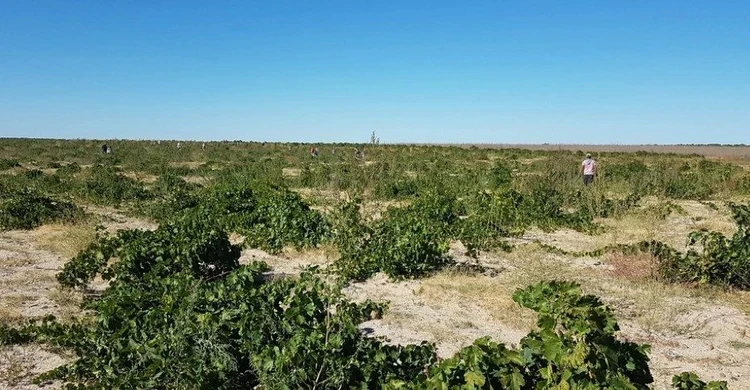
Year of incorporation: 2022
Year of vine plantation: 1947
Varieties: Verdejo
Surface area: 12 hectares
Location: Madrigal de las Altas Torres (Ávila), Castilla y León
Description:
In the historic town of Madrigal de las Altas Torres lies one of the most representative old vineyards in the Rueda Designation of Origin, a viticultural heritage linked to the Verdejo grape variety for centuries. With more than 12 hectares of traditionally bush-trained vines, this vineyard has stood the test of time thanks to the work of generations who have kept viticulture alive in the heart of the Castilian plateau.
Its inclusion in the Ángel de Viñas project contributes to the conservation of this viticultural landscape, where the extreme continental climate and the region's rich history are reflected in wines characterised by restraint, ageing potential and aromatic depth. This vineyard marks the beginning of the project, with the aim of contributing to the conservation of the Rueda Designation of Origin's historic heritage.
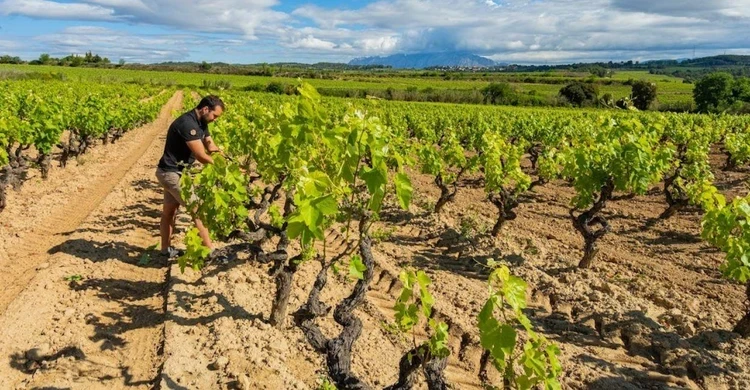
Year of incorporation: 2022
Year the vines were planted: 1974
Varieties: Xarel·lo and Macabeo
Surface area: 1.6 ha in total (1.2 ha of Xarel·lo + 0.4 ha of Macabeo)
Description:
In the heart of Espiells, one of the winegrowing areas with the strongest identity in the Penedès region, two distinctive vineyards planted with Xarel·lo and Macabeo reflect the deep roots of a family that has worked this land for generations. With vines up to 50 years old and historic soils around Sant Sadurní, this vineyard retains the Mediterranean character that defines the great base wines used to make Cava.
Its inclusion in Ángel de Viñas supports the continuity of a family-run winegrowing operation that has maintained traditional bush-trained vines and respect for the landscape. Espiells thus becomes the project's first Catalan representative: a combination of heritage, craftsmanship and a sense of place, helping to shape the future of old vineyards.
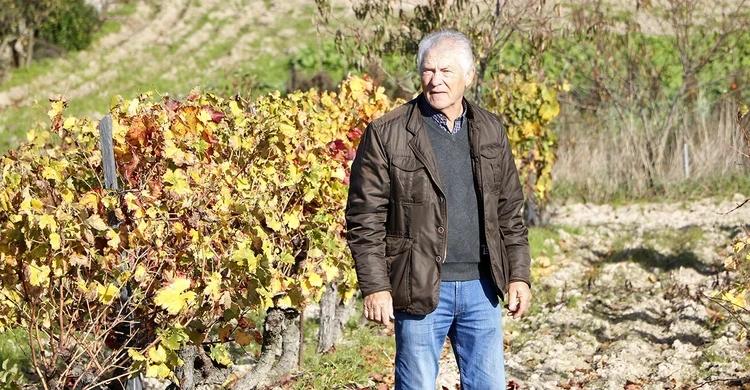
Year of incorporation: 2023
Year of planting: 1935
Varieties: Doña Branca (main) and Mouratón (minor)
Surface area: 0.6 ha
Description:
In the village of As Chas, at the southern end of the Monterrei Designation of Origin, lies a small viticultural treasure planted in 1935 and now cultivated by the fourth generation of the same family. Its 0.6 hectares of old vines, predominantly Doña Branca with a small proportion of Mouratón, represent a heritage at risk due to the gradual abandonment of traditional viticulture in the area. Its inclusion in Ángel de Viñas in 2023 contributes to the conservation of this heritage, preserving the Atlantic character of the valley and the knowledge passed down by those who tended these vines almost a century ago. A vineyard small in size, but rich in memories and cultural significance for Monterrei.
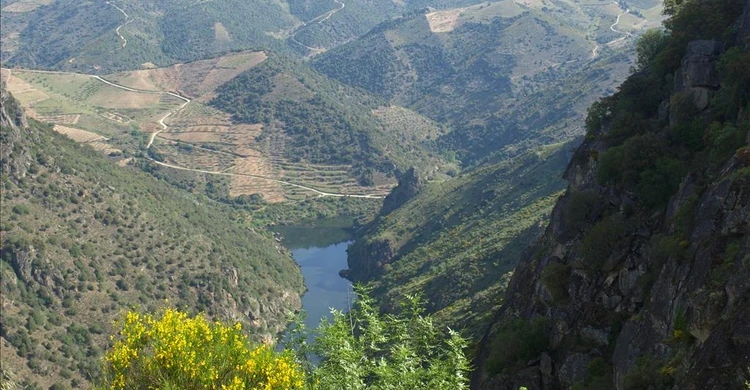
Year of inclusion: 2023
Year the vines were planted: 1936
Varieties: Juan García (main) and Tinto Jeromo (minor)
Surface area: 1.9 ha
Soil: Schist and quartz soils
Description:
In the Arribes del Duero Natural Park, where schist and quartz terraces form one of the oldest landscapes on the Iberian Peninsula, a historic vineyard planted in 1936 continues to be cultivated by the fourth generation of the same family. Its 1.9 hectares, predominantly planted with Juan García alongside the lesser-known Tinto Jeromo variety, express the distinctive mineral character of this borderland Designation of Origin. The vineyard's inclusion in the Ángel de Viñas project in 2023 contributes to the conservation of this viticultural heritage, which is threatened by abandonment. An extreme landscape, resilient viticulture and a family heritage that is now part of the project to support its continuity.
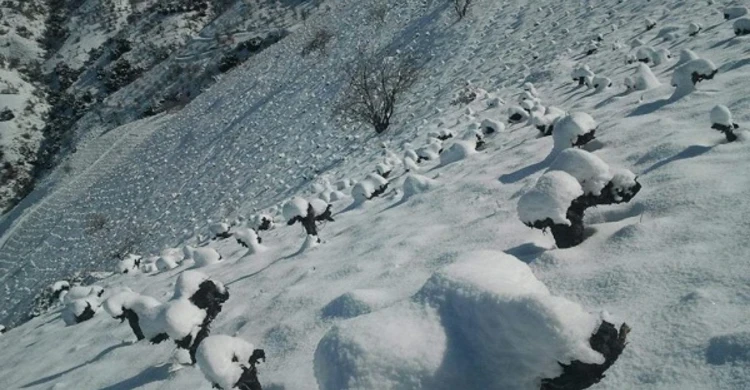
Year of incorporation: 2023
Year of plantation: 1920
Varieties: Jaén Blanco, Jaén Negro and Vijiriego (along with other traditional minor varieties)
Altitude: ~1,400 m
Soil: Slate/schist on steep slopes
Description:
On the steep slopes of Cástaras, at an altitude of 1,400 metres, lies one of the most extreme vineyards in Granada's Alpujarra region. This century-old vineyard, predominantly planted with Jaén Blanco, Jaén Negro and Vijiriego, retains a mosaic of old bush-trained vines growing on slate soils where mechanisation is impossible. The challenging terrain and gradual abandonment of traditional viticulture placed this unique heritage at risk. The vineyard has been part of the Ángel de Viñas project since 2023. The project contributes to the continuity of heroic mountain viticulture, deeply connected to the landscape, while supporting the preservation of traditional techniques, grape varieties and the Alpujarra's agricultural heritage.
Year of incorporation: 2023
Year the vines were planted: 1920
Varieties: Malvasía and Listán Blanco
Altitude: 860 m
Soil: Volcanic (ash and lapilli from the San Antonio Volcano)
Description:
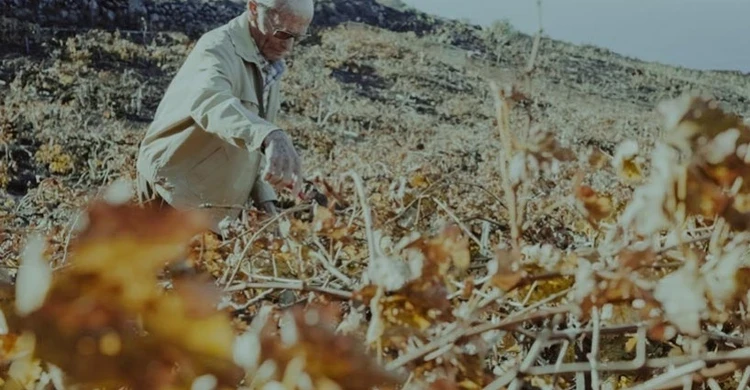
On the slopes of the San Antonio Volcano, where volcanic ash shapes the landscape and life unfolds amid wind and lava, lies a historic vineyard planted in the early 20th century. Its Malvasía and Listán Blanco vines are rooted in soils of volcanic ash and lapilli, which act like a natural sponge, retaining moisture and giving the wines a unique identity. The inclusion of this vineyard in the Ángel de Viñas project in 2023 contributes to the conservation of this viticultural heritage, which is exposed to erosion, climate pressures and abandonment. Today, this remarkable landscape continues to be cultivated thanks to the work of local winegrowers and the support received, alongside the volcano.
Year of incorporation: 2025
Varieties: Albarín Blanco, Verdejo Negro and Carrasquín
Description:
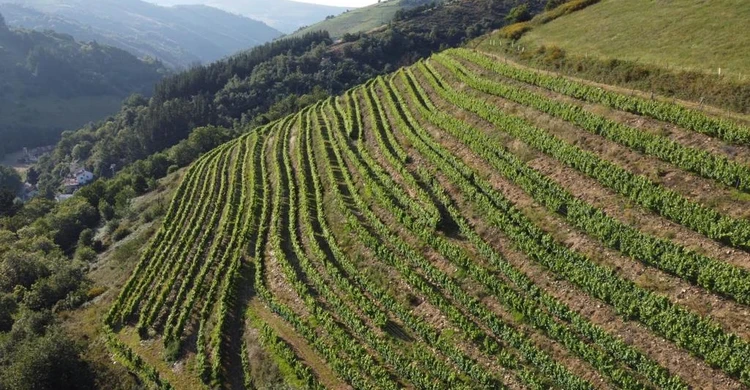
In the rugged valleys of Cangas del Narcea, where viticulture has clung to the mountains for centuries, lies this old vineyard, part of Asturias's small but remarkable winemaking heritage. Its steep slopes, Atlantic climate and manual cultivation have shaped a distinctive viticultural identity, characterised by local grape varieties and traditional growing methods. With its inclusion in Ángel de Viñas in 2025, this agricultural landscape at risk receives support to help sustain its continued cultivation, preserving the heritage of Asturian vineyards and the efforts of the families who have kept them alive despite rural abandonment.
Year of incorporation: 2025
Year of vine planting: 1940
Varieties: Merseguera (main) and Bobal (minor)
Altitude: ~923 m
Description: In the Alto Turia mountain region, at an altitude of over 900 metres, some of the Mediterranean's most distinctive mountain vineyards can still be found. Predominantly planted with Merseguera — the area's emblematic white grape variety — alongside old Bobal vines, these plots, planted between the 1960s and 1980s, represent a viticultural heritage that was once at risk of abandonment. Their inclusion in the Ángel de Viñas project in 2025 contributes to the conservation of this viticultural landscape, where the altitude and continental climate make it possible to produce wines with freshness, identity and a sense of history. An isolated region, an almost forgotten grape variety and a future taking root once again.
Year of incorporation: 2022
Year of vine plantation: 1947
Varieties: Verdejo
Surface area: 12 hectares
Location: Madrigal de las Altas Torres (Ávila), Castilla y León
Description:
In the historic town of Madrigal de las Altas Torres lies one of the most representative old vineyards in the Rueda Designation of Origin, a viticultural heritage linked to the Verdejo grape variety for centuries. With more than 12 hectares of traditionally bush-trained vines, this vineyard has stood the test of time thanks to the work of generations who have kept viticulture alive in the heart of the Castilian plateau.
Its inclusion in the Ángel de Viñas project contributes to the conservation of this viticultural landscape, where the extreme continental climate and the region's rich history are reflected in wines characterised by restraint, ageing potential and aromatic depth. This vineyard marks the beginning of the project, with the aim of contributing to the conservation of the Rueda Designation of Origin's historic heritage.
Year of incorporation: 2022
Year the vines were planted: 1974
Varieties: Xarel·lo and Macabeo
Surface area: 1.6 ha in total (1.2 ha of Xarel·lo + 0.4 ha of Macabeo)
Description:
In the heart of Espiells, one of the winegrowing areas with the strongest identity in the Penedès region, two distinctive vineyards planted with Xarel·lo and Macabeo reflect the deep roots of a family that has worked this land for generations. With vines up to 50 years old and historic soils around Sant Sadurní, this vineyard retains the Mediterranean character that defines the great base wines used to make Cava.
Its inclusion in Ángel de Viñas supports the continuity of a family-run winegrowing operation that has maintained traditional bush-trained vines and respect for the landscape. Espiells thus becomes the project's first Catalan representative: a combination of heritage, craftsmanship and a sense of place, helping to shape the future of old vineyards.
Year of incorporation: 2023
Year of planting: 1935
Varieties: Doña Branca (main) and Mouratón (minor)
Surface area: 0.6 ha
Description:
In the village of As Chas, at the southern end of the Monterrei Designation of Origin, lies a small viticultural treasure planted in 1935 and now cultivated by the fourth generation of the same family. Its 0.6 hectares of old vines, predominantly Doña Branca with a small proportion of Mouratón, represent a heritage at risk due to the gradual abandonment of traditional viticulture in the area. Its inclusion in Ángel de Viñas in 2023 contributes to the conservation of this heritage, preserving the Atlantic character of the valley and the knowledge passed down by those who tended these vines almost a century ago. A vineyard small in size, but rich in memories and cultural significance for Monterrei.
Year of inclusion: 2023
Year the vines were planted: 1936
Varieties: Juan García (main) and Tinto Jeromo (minor)
Surface area: 1.9 ha
Soil: Schist and quartz soils
Description:
In the Arribes del Duero Natural Park, where schist and quartz terraces form one of the oldest landscapes on the Iberian Peninsula, a historic vineyard planted in 1936 continues to be cultivated by the fourth generation of the same family. Its 1.9 hectares, predominantly planted with Juan García alongside the lesser-known Tinto Jeromo variety, express the distinctive mineral character of this borderland Designation of Origin. The vineyard's inclusion in the Ángel de Viñas project in 2023 contributes to the conservation of this viticultural heritage, which is threatened by abandonment. An extreme landscape, resilient viticulture and a family heritage that is now part of the project to support its continuity.
Year of incorporation: 2023
Year of plantation: 1920
Varieties: Jaén Blanco, Jaén Negro and Vijiriego (along with other traditional minor varieties)
Altitude: ~1,400 m
Soil: Slate/schist on steep slopes
Description:
On the steep slopes of Cástaras, at an altitude of 1,400 metres, lies one of the most extreme vineyards in Granada's Alpujarra region. This century-old vineyard, predominantly planted with Jaén Blanco, Jaén Negro and Vijiriego, retains a mosaic of old bush-trained vines growing on slate soils where mechanisation is impossible. The challenging terrain and gradual abandonment of traditional viticulture placed this unique heritage at risk. The vineyard has been part of the Ángel de Viñas project since 2023. The project contributes to the continuity of heroic mountain viticulture, deeply connected to the landscape, while supporting the preservation of traditional techniques, grape varieties and the Alpujarra's agricultural heritage.
Year of incorporation: 2023
Year the vines were planted: 1920
Varieties: Malvasía and Listán Blanco
Altitude: 860 m
Soil: Volcanic (ash and lapilli from the San Antonio Volcano)
Description:
On the slopes of the San Antonio Volcano, where volcanic ash shapes the landscape and life unfolds amid wind and lava, lies a historic vineyard planted in the early 20th century. Its Malvasía and Listán Blanco vines are rooted in soils of volcanic ash and lapilli, which act like a natural sponge, retaining moisture and giving the wines a unique identity. The inclusion of this vineyard in the Ángel de Viñas project in 2023 contributes to the conservation of this viticultural heritage, which is exposed to erosion, climate pressures and abandonment. Today, this remarkable landscape continues to be cultivated thanks to the work of local winegrowers and the support received, alongside the volcano.
Year of incorporation: 2025
Varieties: Albarín Blanco, Verdejo Negro and Carrasquín
Description:
In the rugged valleys of Cangas del Narcea, where viticulture has clung to the mountains for centuries, lies this old vineyard, part of Asturias's small but remarkable winemaking heritage. Its steep slopes, Atlantic climate and manual cultivation have shaped a distinctive viticultural identity, characterised by local grape varieties and traditional growing methods. With its inclusion in Ángel de Viñas in 2025, this agricultural landscape at risk receives support to help sustain its continued cultivation, preserving the heritage of Asturian vineyards and the efforts of the families who have kept them alive despite rural abandonment.
Year of incorporation: 2025
Year of vine planting: 1940
Varieties: Merseguera (main) and Bobal (minor)
Altitude: ~923 m
Description: In the Alto Turia mountain region, at an altitude of over 900 metres, some of the Mediterranean's most distinctive mountain vineyards can still be found. Predominantly planted with Merseguera — the area's emblematic white grape variety — alongside old Bobal vines, these plots, planted between the 1960s and 1980s, represent a viticultural heritage that was once at risk of abandonment. Their inclusion in the Ángel de Viñas project in 2025 contributes to the conservation of this viticultural landscape, where the altitude and continental climate make it possible to produce wines with freshness, identity and a sense of history. An isolated region, an almost forgotten grape variety and a future taking root once again.
Every step counts when it comes to contributing to the conservation of viticultural heritage. Through Ángel de Viñas, we turn our commitment to sustainability into concrete actions: bringing old vineyards into the project, contributing to the conservation of native grape varieties and supporting the people who care for them. These achievements reflect our ongoing efforts to contribute to the conservation of viticultural heritage in the participating regions and help sustain it for the future.

Every old vineyard holds a story that deserves to be told. If you know of one at risk of disappearing, or if you work a century-old plot in need of support, we’d love to hear from you.
Email us at angeldevinas@gonzalezbyass.es